


No Heat in Winter: How Cold Is Too Cold to Wait for a Repair?

Stay safe when the heat fails—learn the temperature thresholds that turn “wait it out” into an emergency, and what to do before it’s too late.
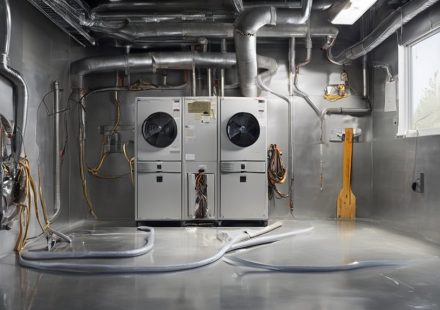
New Installation Gone Wrong: When Your Recent HVAC Upgrade Becomes an Emergency
Spot the red flags when a new HVAC install turns urgent—strange noises, weak airflow, rising bills, gas odors—and learn what to do next.

Multi-Family Building HVAC Failure: Coordinating Emergency Response
Gaining control of a multi-family HVAC failure starts with safety, containment, and fast coordination—discover the first moves that prevent chaos and protect residents.

Mold Growth After AC Emergency: Prevention and Remediation Timeline
Stay ahead of mold after an AC leak or shutdown with a clear prevention-to-remediation timeline—what you do in the first 48 hours changes everything.

Loud Banging or Screeching From Furnace: Emergency Shutdown Guide
When loud banging or screeching hits your furnace, learn the emergency shutdown steps to stay safe—before a hidden danger turns into a disaster.

Is It Worth Paying Emergency Rates? When to Wait vs. When to Act
Get clarity on when emergency-room prices are truly worth it—and when urgent care or waiting is safer—before one symptom forces a costly decision.

Insurance Claims for HVAC Emergencies: Documentation and Coverage Guide
Know exactly what to document and how coverage works during an HVAC emergency claim—before a missed detail costs you, here’s what to do next.

Indoor Air Quality Emergency: When HVAC Problems Make You Sick
A sudden wave of headaches, cough, or fatigue that eases outside could signal an HVAC-driven indoor air quality emergency—see the tests you should request next.
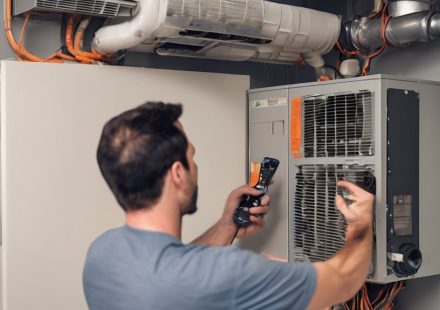
HVAC System Smoking or Sparking: What to Do in the First 5 Minutes
In the first 5 minutes of an HVAC system smoking or sparking, the exact steps you take can prevent disaster—here’s what to do next.
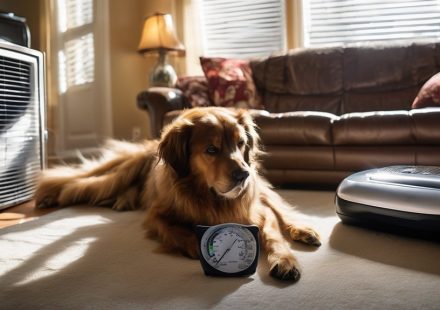
HVAC Emergency With Pets at Home: Protecting Animals During Temperature Extremes
How to handle an HVAC emergency with pets at home during temperature extremes—critical first moves can prevent danger, but one overlooked step changes everything.