


Who Pays for Emergency HVAC Repairs? Lease Agreement Breakdown

Learn who pays for emergency HVAC repairs under your lease, what counts as an emergency, and the key clauses that could shift costs to you.

What Emergency HVAC Technicians Can and Can’t Fix on the Spot
Need to know what emergency HVAC technicians can and can’t fix on the spot—and when to evacuate for gas or CO alerts? The difference may surprise you.

Water Heater and Furnace Combo Issues: Dual Emergency Response
Catching a gas smell, leak, or overheating in your water heater–furnace combo can turn critical fast—learn the first safe shutdown steps before it’s too late.

Warning Signs Your HVAC Emergency Is 24 Hours Away
Hearing odd noises, feeling weak airflow, and watching your energy bill climb could mean your HVAC has less than 24 hours—see the signs before it stops cold.

Vacation Home HVAC Emergency: Remote Monitoring and Response
Track HVAC warning signs with remote monitoring and smart alerts to stop a vacation-home meltdown before it starts, and see what to do next.

Thermostat Not Controlling Temperature: Emergency or Simple Fix?
Jump into quick thermostat checks—mode, fan, schedule, power, and wiring—before calling it an emergency, because one overlooked setting could be the real culprit.

Summer HVAC Emergency Preparedness: Getting Ready for Cooling Season
Know how to prevent summer HVAC breakdowns with smart pre-season checks, thermostat targets, and quick fixes—before the next heat wave hits.

Strange Smells From Your HVAC: Which Ones Signal an Emergency?
Track strange HVAC smells—rotten eggs, burning plastic, musty, or sweet chemicals—and learn which ones demand immediate action before it’s too late.

Storm Damage to AC Unit: Emergency Assessment and Protection
Jump into emergency steps to assess and protect your storm-damaged AC unit safely, before hidden electrical or compressor risks turn into costly repairs.
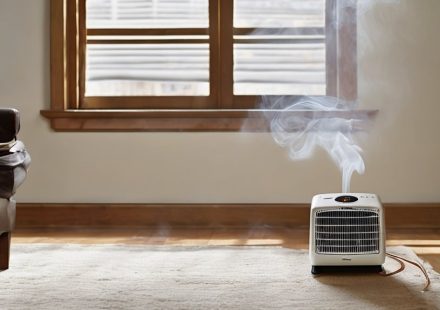
Space Heater Safety: Emergency Heating Without Creating New Hazards
A practical guide to space heater safety reveals crucial setup rules and hidden risks—so you can stay warm in emergencies without creating new hazards.