

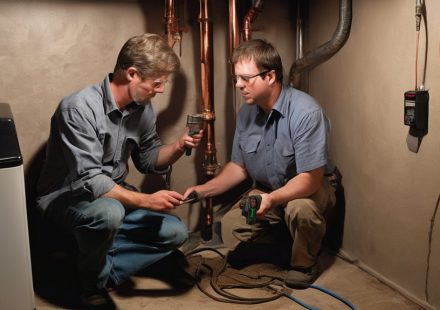
What’s That Sound? A New Homeowner’s Guide to Diagnosing Furnace, Plumbing, and Basement Noises

Learn what furnace pops, plumbing gurgles, and basement scratches really mean—and when they’re urgent—before the next noise gives away the real problem.

What Causes Sewage Backup and How to Prevent It in NJ Homes
Learn what triggers sewage backups in NJ homes—roots, grease, aging pipes, and storm surges—and the prevention steps that stop them before disaster strikes.

Common Home Inspection Issues and Solutions

Spot roof leaks, electrical overloads, and hidden plumbing failures before they become expensive surprises, and discover the fixes you’ll want to prioritize next.

Addressing Plumbing Issues in NJ Home Inspections
Familiar plumbing red flags in NJ home inspections can hide bigger risks—learn what inspectors check before a simple drip becomes a costly surprise.
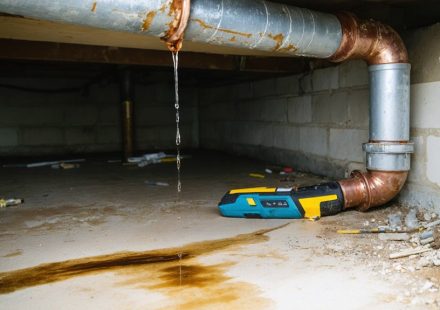
Common Plumbing Issues Found in NJ Home Inspections
Discover common plumbing issues found in NJ home inspections—leaky shutoff valves, DIY drain mistakes, and hidden corrosion—before they become costly repairs.

Emergency Plumbing vs. Regular Service Call: Understanding the Difference
Make the right call when leaks, backups, or heater failures strike—learn what truly counts as an emergency vs. routine service and what it could cost.

Why Recognizing Frozen Plumbing Is Essential?
Many costly floods start with subtle freeze warnings—spotting frozen plumbing early helps you act before a burst pipe, but which signs appear first?
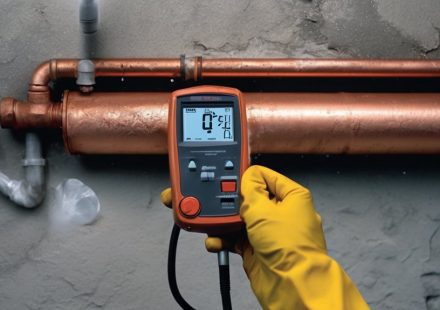
Detecting Frozen Plumbing Issues: A How-To Guide
Learn to spot frozen plumbing fast—weak flow, odd noises, and telltale pressure drops can reveal where the freeze is, before the real trouble starts.
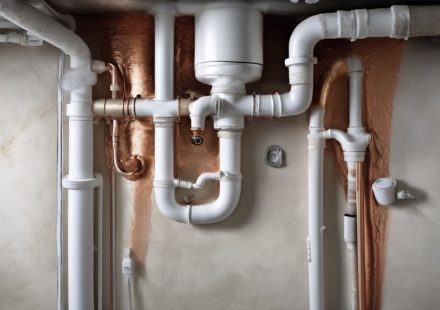
7 Best Signs of Frozen Plumbing Issues
Spot frozen plumbing fast with 7 telltale signs—from weak flow to icy pipes—so you can act before a burst, but one clue surprises most homeowners.

Why Choose Emergency Sewer Line Cleaning Services?
Jump on emergency sewer line cleaning to stop backups fast, limit sewage exposure and costly damage—here’s what to do before it gets worse.