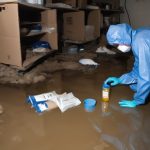
Preventing sewage overflow protects you because untreated wastewater can sharply raise infection risk after storms—one Massachusetts study found acute gastrointestinal illness increased 62% following combined sewer overflows. You can get exposed through contact with contaminated floodwater, polluted rivers and streets, aerosolized droplets during splashing or cleanup, or even drinking-water intrusion when pressure drops. Heavy rain and climate change make overflows more frequent. Kids, older adults, and immunocompromised people face higher odds. Next, you’ll see practical ways to reduce exposure and spills.
What Health Risks Come From Sewage Overflow?

When sewage overflows into rivers, streets, or basements, you’re not just dealing with a bad smell—you’re facing a documented spike in infectious disease risk from direct contact, aerosolized droplets, and contaminated surfaces. After large-volume combined sewer overflows in Massachusetts communities along the Merrimack River, acute gastrointestinal illness rose 62% within four days, based on emergency department diagnoses like vomiting, diarrhea, and gastroenteritis. Multiple peer-reviewed studies in Europe and North America similarly link CSOs to gastrointestinal illness, and elevated risk appears regardless of drinking water source, signaling exposure pathways beyond ingestion. Climate change is expected to bring heavier rainfall, which can increase the frequency of large-scale CSO events and associated illness risk.
You’re also exposed to heavy fecal contamination: sanitary sewer overflows can contain 1 million to 1 billion coliform bacteria per 100 mL, including fecal Streptococcus and Enterococcus, and raw sewage can carry antibiotic-resistant bacteria. Untreated discharges can add parasites (e.g., Giardia) and viruses, expanding harm from short-term stomach illness to more serious systemic effects.
How Does Sewage Overflow Spread Germs to People?
After a sewage overflow, germs reach you through several fast, well-documented pathways: direct contact with contaminated floodwater and surfaces, intrusion into drinking-water systems during pressure drops or main breaks, exposure in rivers and streets where pathogen levels spike after rain-driven overflows, and inhalation of aerosolized droplets during splashing or cleanup. Heavy rain events can sharply increase sewage contamination in urban waterways by triggering combined sewer overflows. Sewage carries *E. coli*, *Salmonella*, *Vibrio cholerae*, norovirus, Hepatitis A, *Giardia*, *Cryptosporidium*, and helminths, so a small exposure can trigger diarrhea, vomiting, cramps, and dehydration. If you wade, touch contaminated items, or get splashed, pathogens can enter through your mouth, eyes, or cuts, with illness appearing in 0–4 days. When hydraulic integrity fails, fecal microbes can enter distribution lines or wells; that’s why utilities issue boil-water advisories. Even after water recedes, germs persist in sediments and can re-aerosolize, aligning with later community GI peaks 5–14 days post-event.
Why Heavy Rain Makes Sewage Overflow Riskier
Heavy rain amplifies those exposure pathways because it can push sewer systems past their design limits in a matter of minutes, sending untreated wastewater into streets, basements, and waterways right where you live and recreate. In combined sewer systems, stormwater and sewage share the same pipes, so even modest rainfall can trigger overflows; some systems spill with under 0.3 inches. That surge can contaminate rivers and streams with bacteria and viruses, and flash flooding worsens the backflow and spread. Climate change makes this risk harder to manage: warmer air holds more moisture, so more water falls in shorter bursts, and precipitation patterns now outpace plans built on historical rainfall. Health signals follow the hydrology—studies have found higher gastrointestinal illness after extreme-rainfall overflows and increased ER visits. Cities face policy tradeoffs: green infrastructure helps, but gray upgrades still take decades and billions to scale. Philadelphia, for example, still averages about 14 billion gallons of polluted stormwater overflow each year.
Who’s Most at Risk From Sewage Overflow?

Although anyone can get sick from sewage-contaminated water, the risk clusters in predictable ways: children, older adults, and people with suppressed immune systems face the highest odds of serious infection, while healthy adults often endure only a few days of flu-like gastrointestinal symptoms. Kids’ immune defenses aren’t fully developed, and older adults can’t as reliably fend off enteric pathogens found in untreated sewage. If your immune system is suppressed, you’re more likely to progress from diarrhea to severe disease from viruses (Norwalk), bacteria (E. coli), protozoa (Cryptosporidium), or helminths.
Your risk also rises if you live downstream of overflow outfalls or in marginalized urban neighborhoods where aging combined sewer systems meet rapid development. After the Jan. 19, 2026 Potomac River overflow, researchers found E. coli levels more than 10,000 times above EPA recreational water-quality standards. Studies show downstream residents are 62% more likely to develop acute gastrointestinal illness within four days after the largest overflow events. Even without drinking it, swimming or river recreation after spills drives exposure; CDC documented 1,387 enteric illnesses in nine outbreaks from contaminated swimming.
How to Prevent Sewage Overflow and Backup Exposure
Risk isn’t evenly distributed, but sewage overflow can expose you anywhere a combined sewer, aging pipe, or overloaded pump station meets intense rain and rapid runoff. You reduce exposure by combining smart monitoring, infrastructure fixes, and everyday habits that cut blockage and peak flow.
Ask your utility to use real-time flow, level, velocity, and rainfall monitoring with SCADA so staff get SMS/email alerts and can adjust pumps or redirect flows before spills. Support risk-based inspection programs that map storm and wastewater lines, use CCTV pipe inspection, and prioritize high-risk segments for cleaning and repair. Push for capacity assessments and flood-proofing (for example, bar screens to handle debris), plus green infrastructure like bioswales to slow and filter runoff.
At home, install a backflow preventer if you’re flood-prone. Don’t pour grease, flush only the three P’s, prevent hair clogs, and conserve water during storms. This also improves safety by reducing the need for manual inspections in hazardous conditions.
Frequently Asked Questions
What Should I Do if I Touched Sewage-Contaminated Water?
Wash your skin right away with soap and clean water, and remove and discard contaminated clothing. Flush your eyes with clean water if splashed, and rinse your mouth if you swallowed any—don’t ingest more. Clean exposed cuts with antiseptic. Over the next 1–10 days, monitor for diarrhea, fever, rash, jaundice, or breathing issues. Seek medical care if symptoms develop, and tell clinicians about sewage exposure.
How Long Should I Avoid Swimming After a Sewage Overflow?
Avoid swimming for at least 48 hours after a sewage overflow, and extend to 72 hours after heavy rain or major spills if local guidance says so. Don’t rely only on beach signs or posted test results—they can lag 24–48 hours. Stay away longer near storm drains or visible pollution. If you enter the water anyway, don’t swallow it, shower with soap, and watch for diarrhea or rash.
Does Homeowners Insurance Cover Sewage Backup Cleanup and Repairs?
Homeowners insurance usually won’t cover sewage-backup cleanup and repairs unless the backup starts from a covered on-property cause or you’ve added a sewer-backup endorsement. Your base policy often covers sudden water damage from a clogged indoor pipe or fixture failure, but it typically excludes off-premises sewer backups, gradual seepage, neglect, and municipal issues. If you buy the add-on, you can get cleanup, contents, and line repair coverage up to limits.
How Can I Find Real-Time Sewage Overflow Alerts in My Area?
Grab your town crier—then open your city/utility website and sign up for real-time CSO/SSO alerts. You can also check EPA-linked community notification pages (e.g., DC, NYC, Philadelphia) and state GIS maps like Connecticut DEEP’s two-hour spill map or California Water Boards’ SSO map. If you’re in mandated-notification states (e.g., Massachusetts), utilities must notify you; in SC/TX, expect social or 24-hour spill alerts.
Who Is Responsible for Cleanup Costs After a Neighborhood Overflow?
You’ll usually split responsibility: your city handles cleanup in streets, storm drains, and public rights‑of‑way, while you pay for damage and cleanup inside your home unless the overflow came from shared or municipal mains. If you’re in an HOA, it typically covers common lines and common‑area restoration. Your homeowners policy won’t cover much without a sewer‑backup rider, and deductibles/limits apply. Document everything.