


Treated Lumber in Garden Beds: Should You Replace Before Planting?

How risky is treated lumber in garden beds, and when should you replace it before planting? Learn what matters, plus simple ways to reduce exposure.

Swimming Pool Chemical Safety: New Pool Owner Hazard Prevention
How new pool owners can prevent chemical hazards with safer handling, storage, and dosing habits—before one small mistake turns into a serious accident.

Quartz Countertop Dust: Silica Exposure During Kitchen Renovation
For quartz countertop dust, learn how silica exposure spikes during kitchen renovation—and the key installer warning signs you can’t afford to miss.
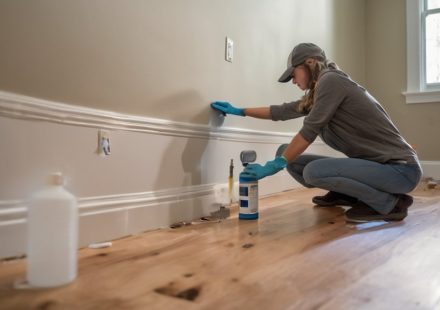
Previous Pest Treatments: Should New Homeowners Be Concerned?
Former pest treatments aren’t always alarming, but hidden signs and warranty fine print could reveal an active problem—find out what to verify next.

Lawn Chemical History: Soil Testing After Purchase
Snoop out your new lawn’s past with targeted soil testing for pH, nutrients, metals, and legacy chemicals—before you plant, there’s one more risk to uncover.

Fiberglass Insulation Safety: Proper Handling for DIY Homeowners
Fiberglass insulation can irritate skin and lungs—discover the essential PPE, cutting, and cleanup steps DIY homeowners need before starting.

Thermostat Not Controlling Temperature: Emergency or Simple Fix?
Jump into quick thermostat checks—mode, fan, schedule, power, and wiring—before calling it an emergency, because one overlooked setting could be the real culprit.
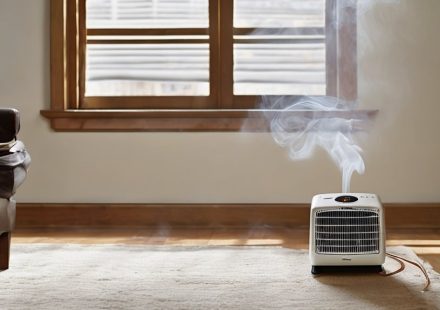
Space Heater Safety: Emergency Heating Without Creating New Hazards
A practical guide to space heater safety reveals crucial setup rules and hidden risks—so you can stay warm in emergencies without creating new hazards.
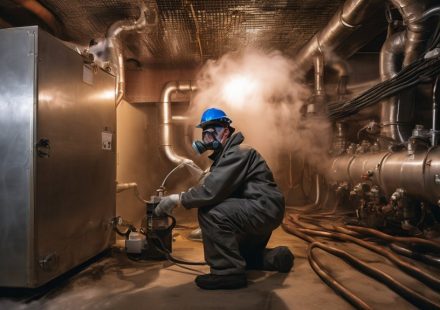
Refrigerant Leak: Health Risks and Emergency Response
Beware: a refrigerant leak can quietly threaten health and safety—learn the warning signs and emergency steps before a minor hiss becomes a crisis.

Outdoor AC Unit Not Running: Quick Checks Before Calling Emergency Service
Just before you call emergency service, learn quick checks for an outdoor AC unit not running—thermostat, power, and airflow—then see the next step.