


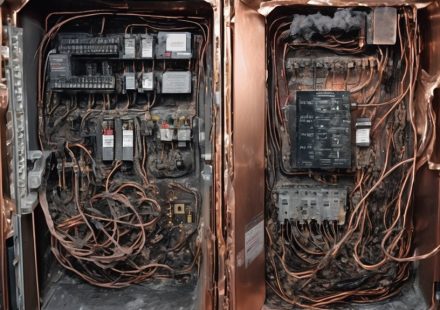
Furnace Electrical Problems: Recognizing Fire Hazards Before Disaster

Beneath subtle burning smells, buzzing, and hot furnace panels may lurk electrical faults that spark fires—learn the warning signs before it’s too late.

Frozen Heat Pump: Emergency Troubleshooting and Prevention
Need fast help with a frozen heat pump? Learn the emergency steps and key prevention checks—before the next freeze-up strands you without heat.

Fall Furnace Check: Preventing Winter Heating Emergencies
Get ahead of winter breakdowns with a fall furnace check—swap the filter, test safety controls, and spot vent issues before the next steps.

End-of-Season HVAC Problems: When Neglect Becomes Emergency
Midsummer neglect can turn end-of-season HVAC warning signs into a code-level emergency—learn what to check now before the next symptom hits.

Emergency Repair vs. System Replacement: Financial Decision Guide
Betting on an emergency repair or full replacement can swing thousands—see the after-hours costs, the $5,000 Rule, and the number most homeowners miss.

Emergency HVAC Service Costs: What to Expect for After-Hours Calls
Prepare for after-hours HVAC sticker shock—typical emergency visit fees and repair ranges can add up fast, and the key cost drivers may surprise you.

Emergency HVAC Repair vs. Replacement: Making the Right Call Under Pressure
When your HVAC fails fast, learn real emergency repair costs and the $5,000 rule to decide now—before one mistake locks in.

Emergency Heating and Cooling Kit: Essential Supplies for Every Homeowner
Have an emergency heating and cooling kit ready before outages strike—must-have tools, spares, and backup heat/cool essentials that could save you when the system quits.

Electrical System Damage From HVAC Emergency: Secondary Problems to Watch for
Secondary electrical damage after an HVAC emergency can linger—learn the subtle warning signs before overheating wires, breakers, or control boards create the next failure.
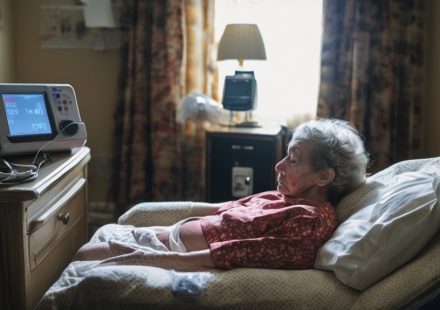
Elderly and Infant Safety: When HVAC Failure Becomes a Medical Emergency
Facing an HVAC failure with seniors or infants can turn deadly fast; learn the warning signs and immediate steps before the heat escalates further.